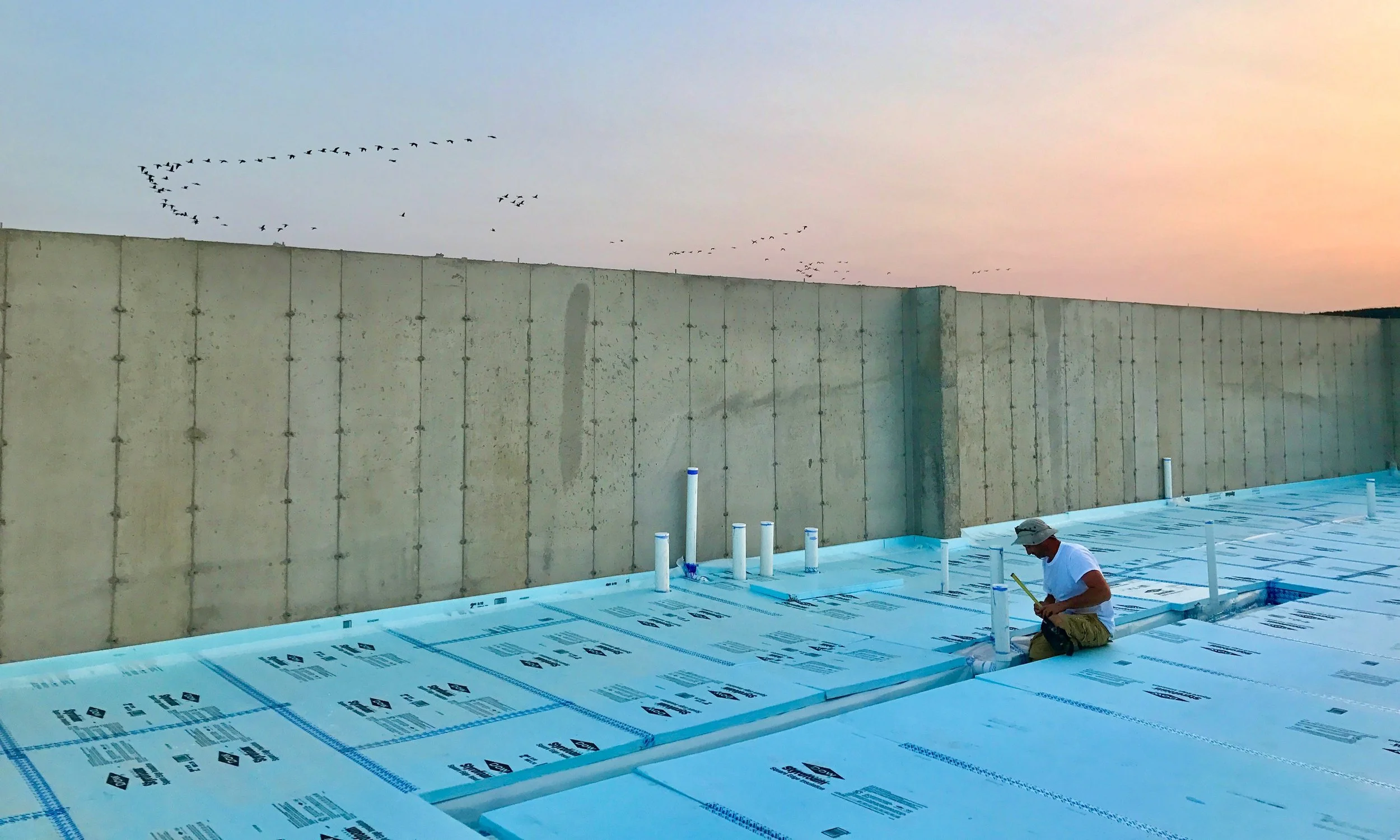
Invisible Layers are decisions you don’t see — but live with every day. They shape how a building performs, ages, and adapts over time.
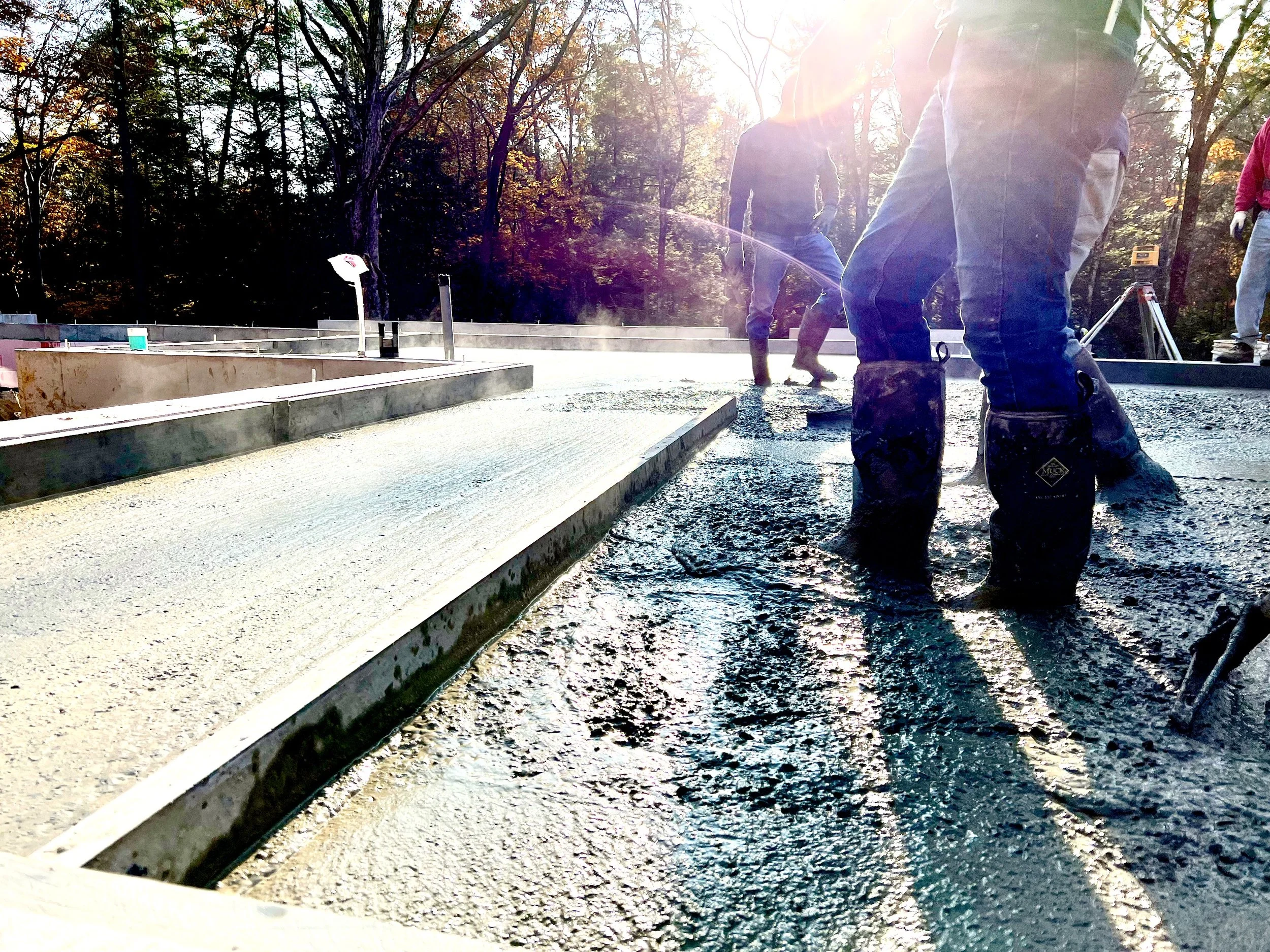
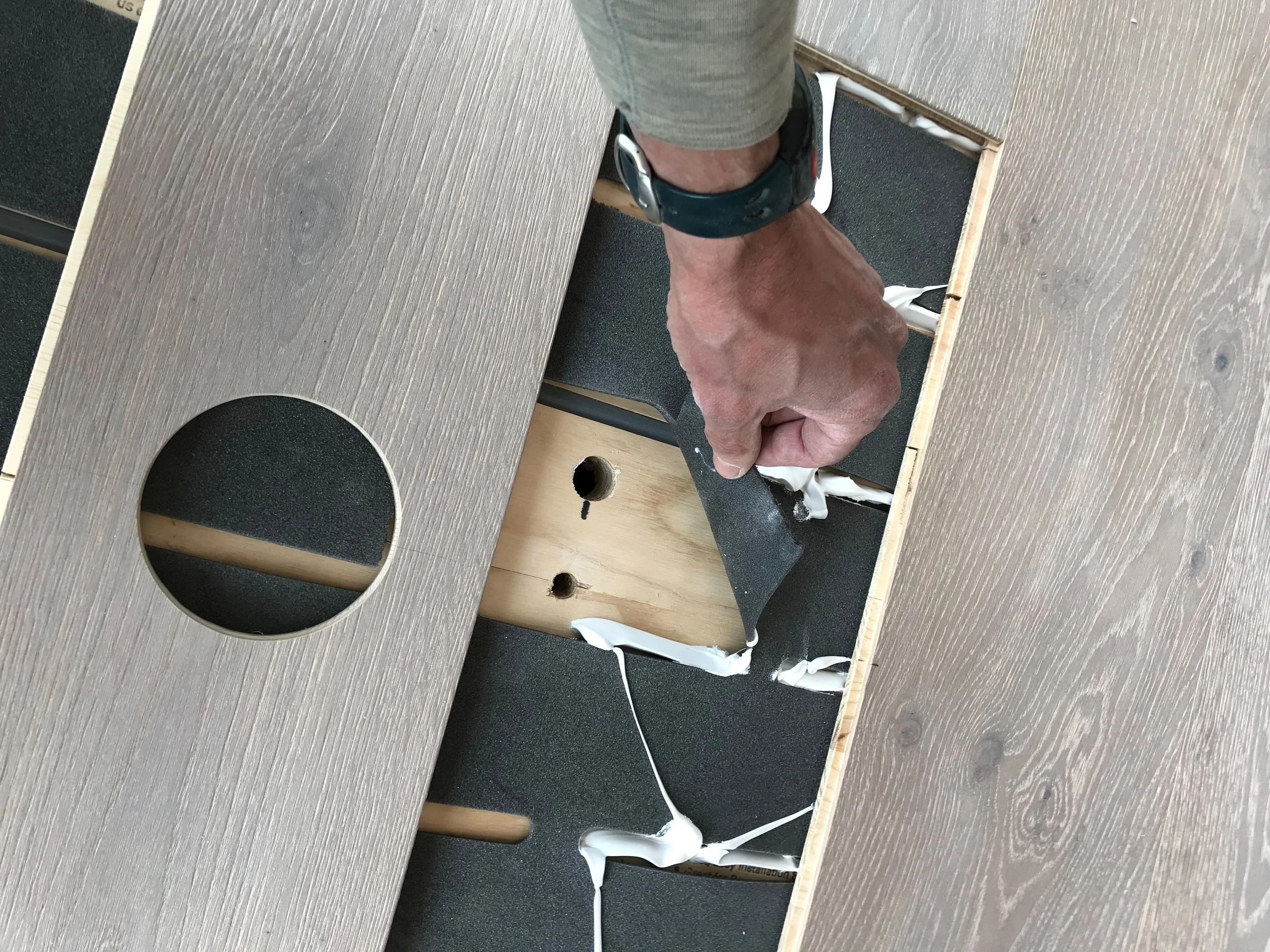
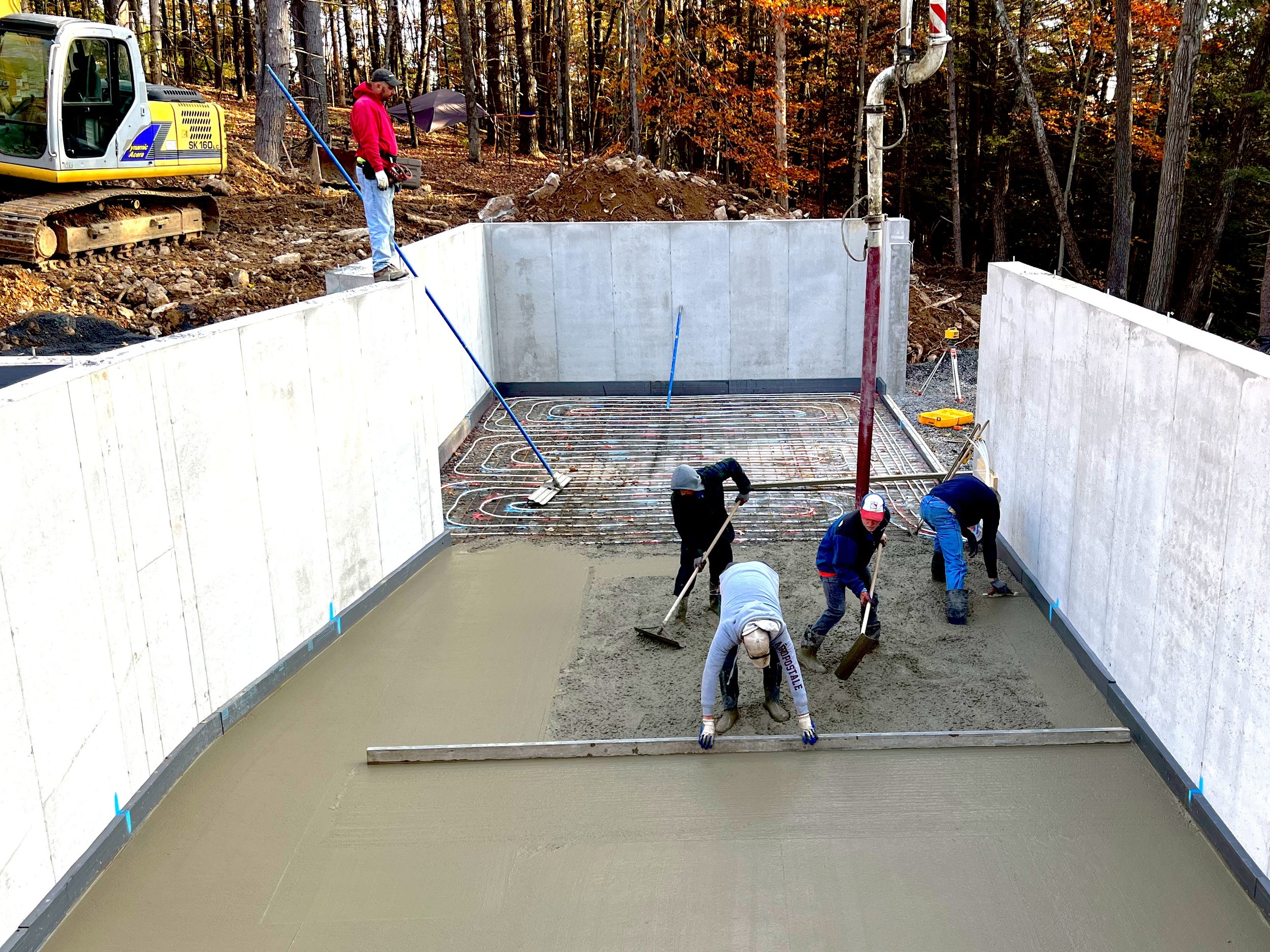
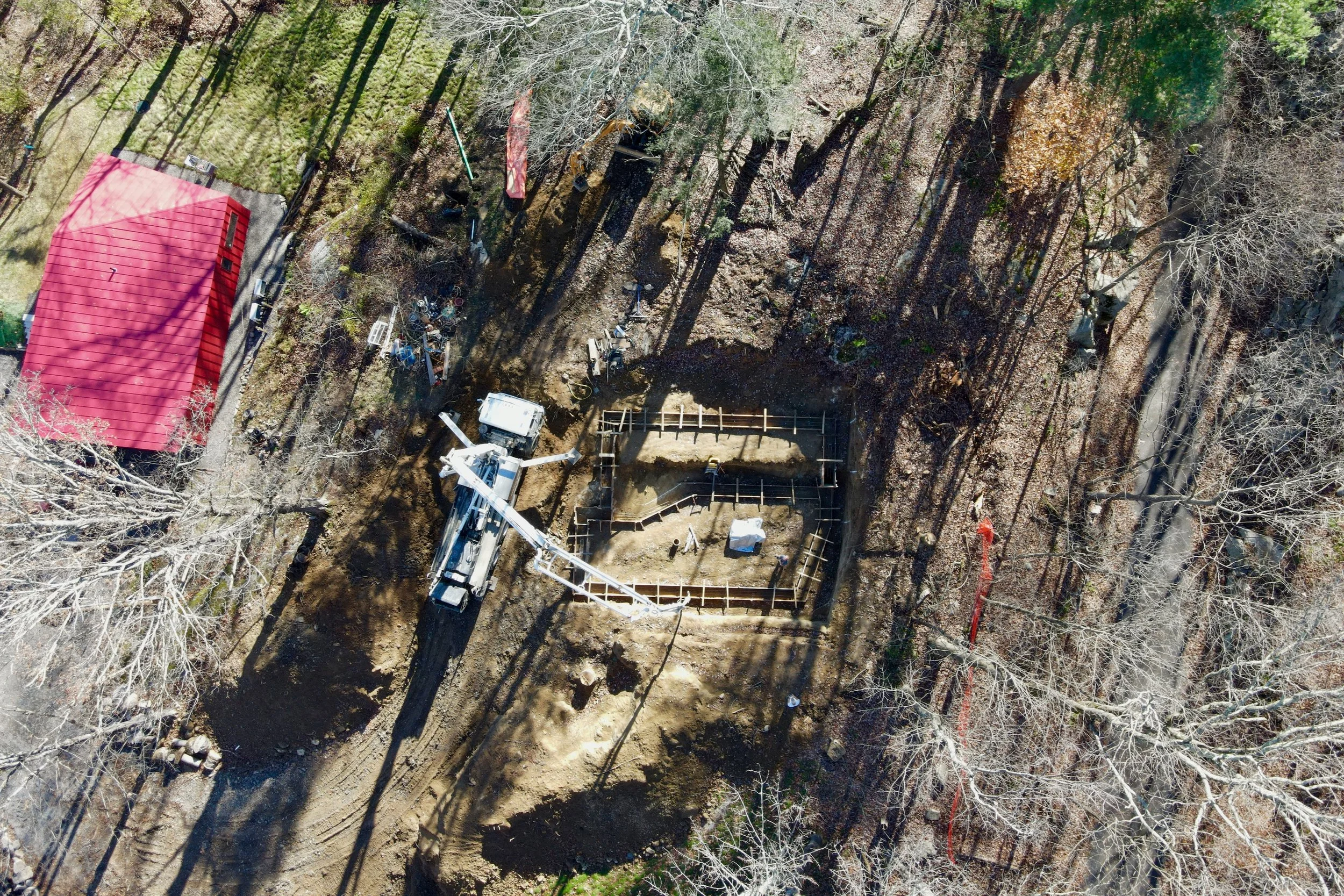
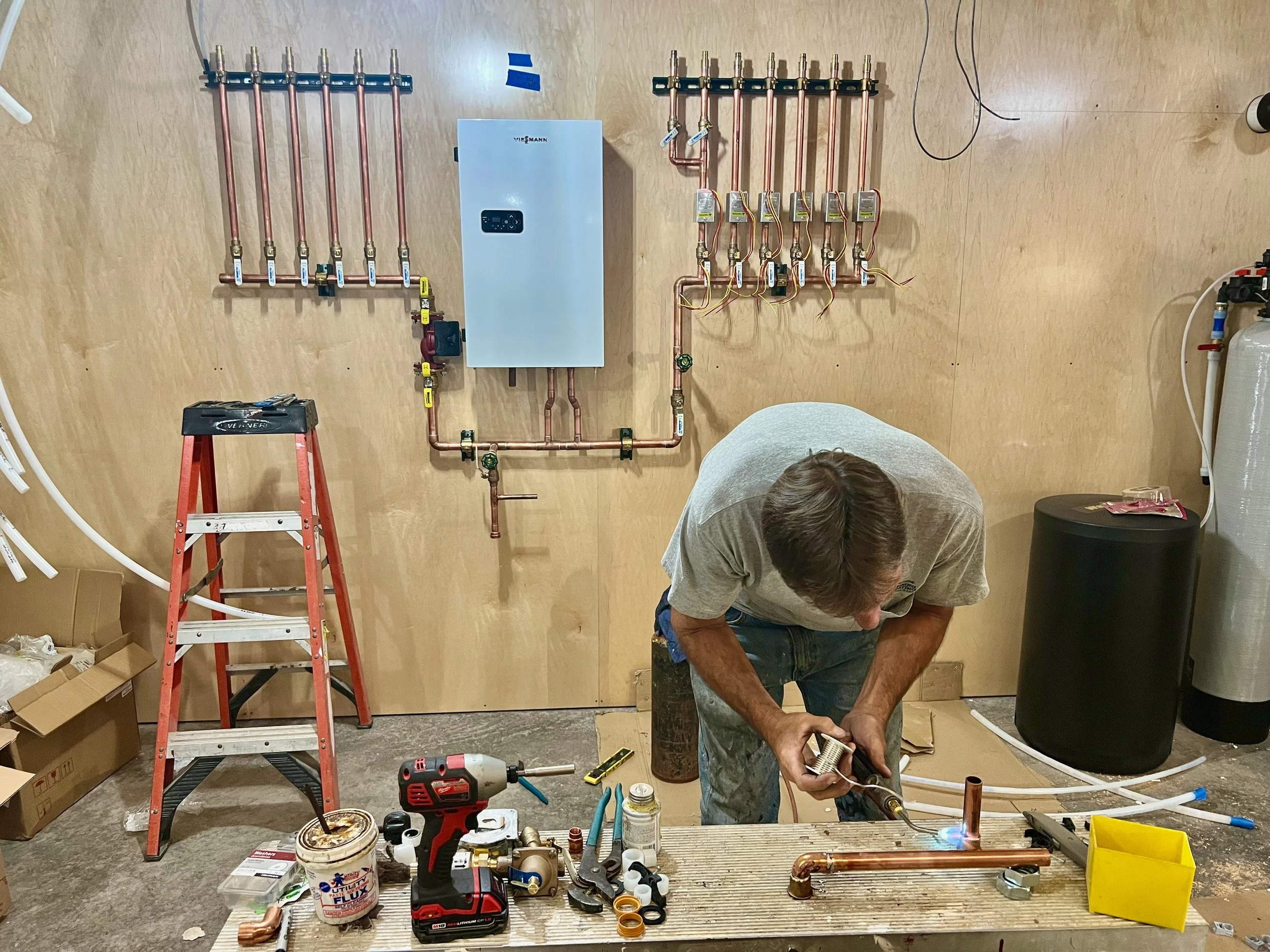
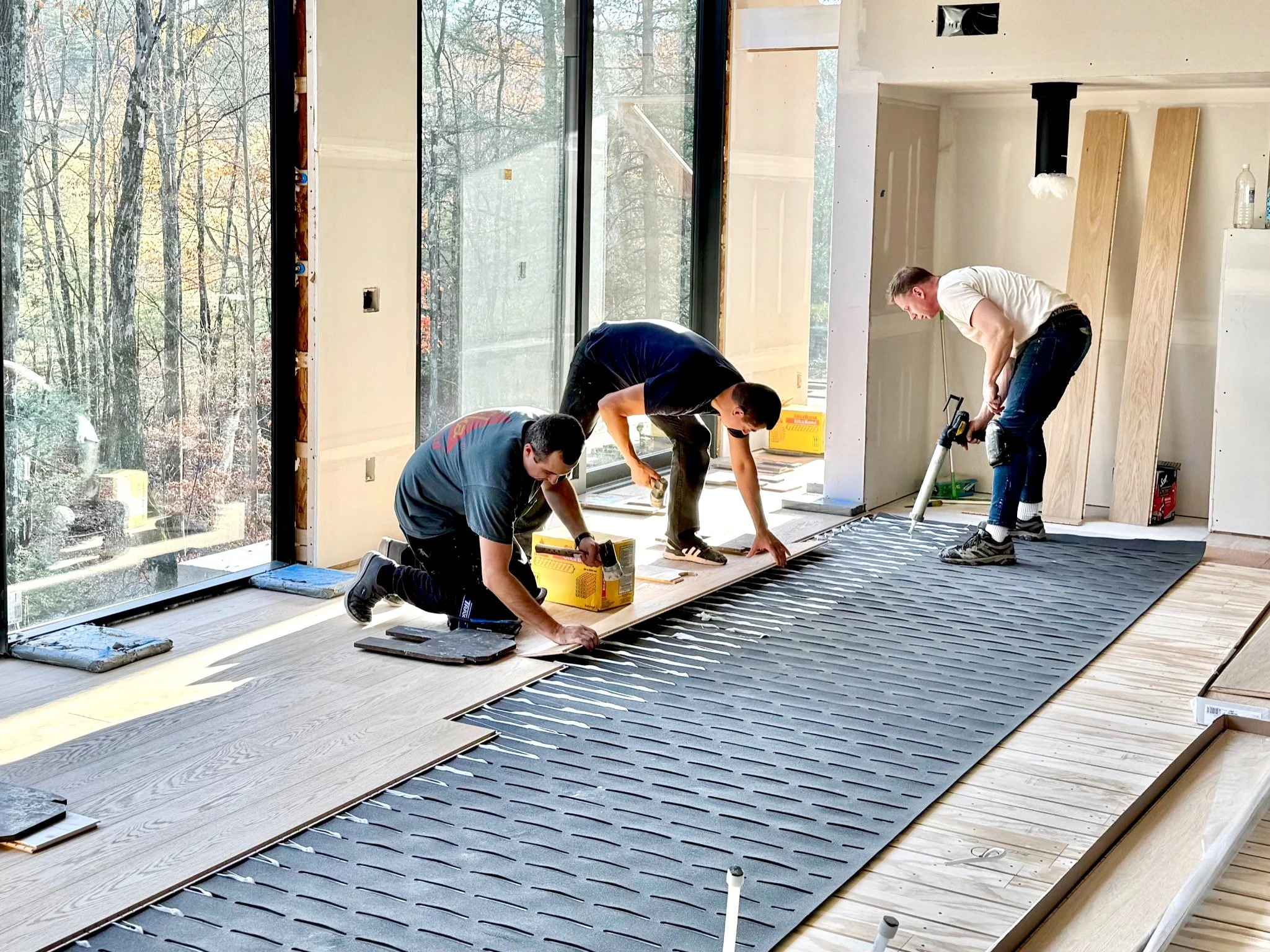
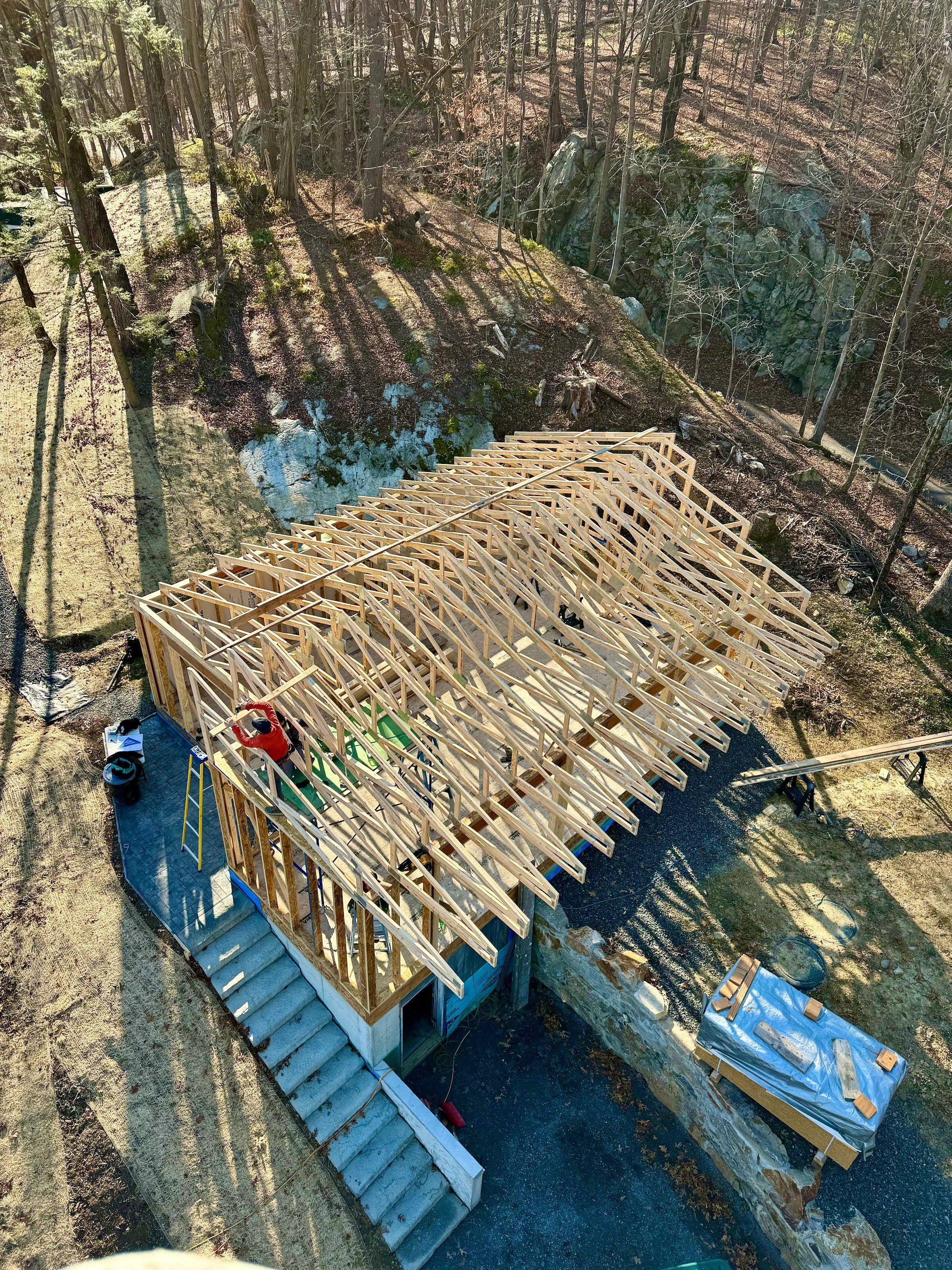
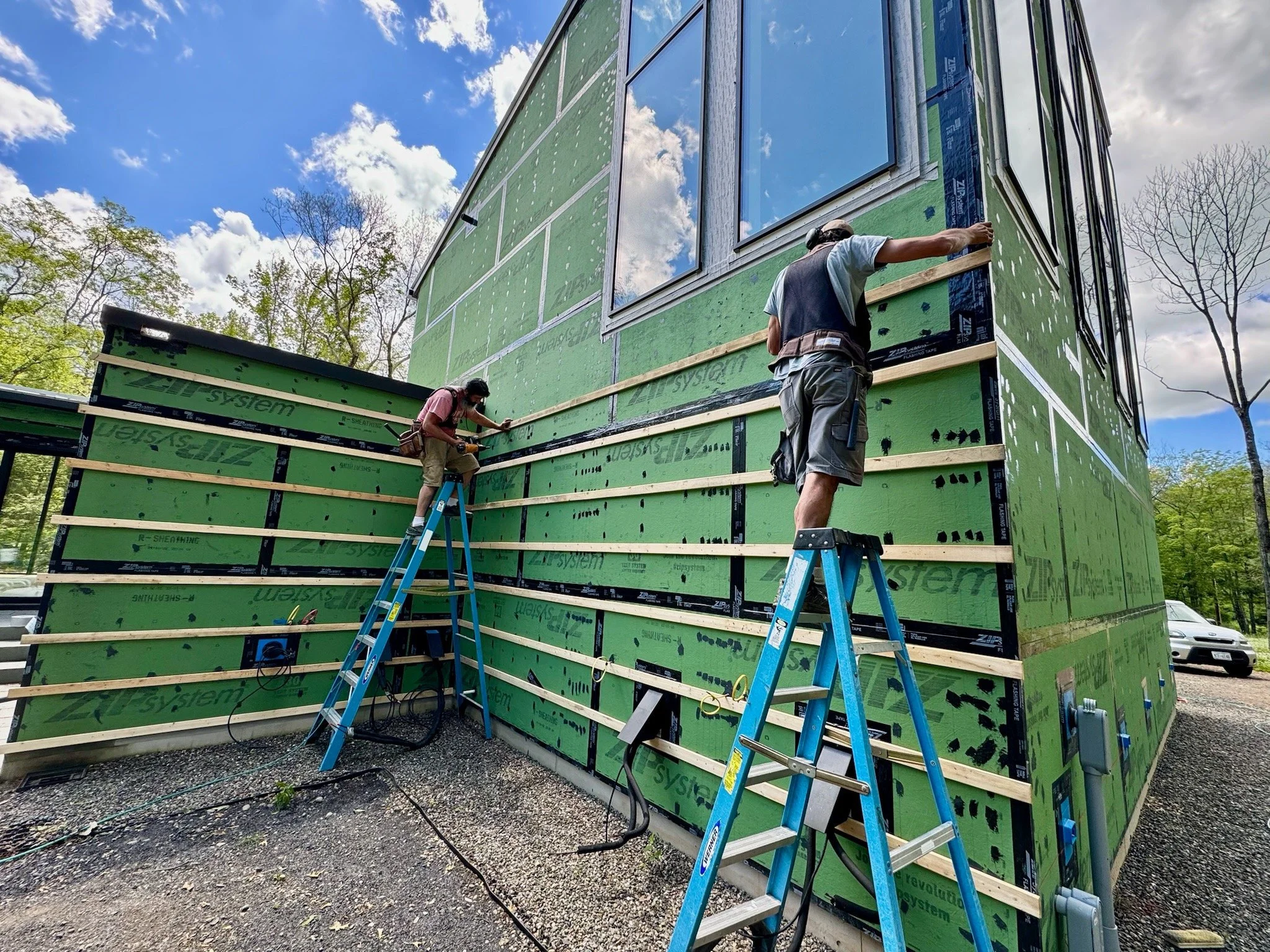
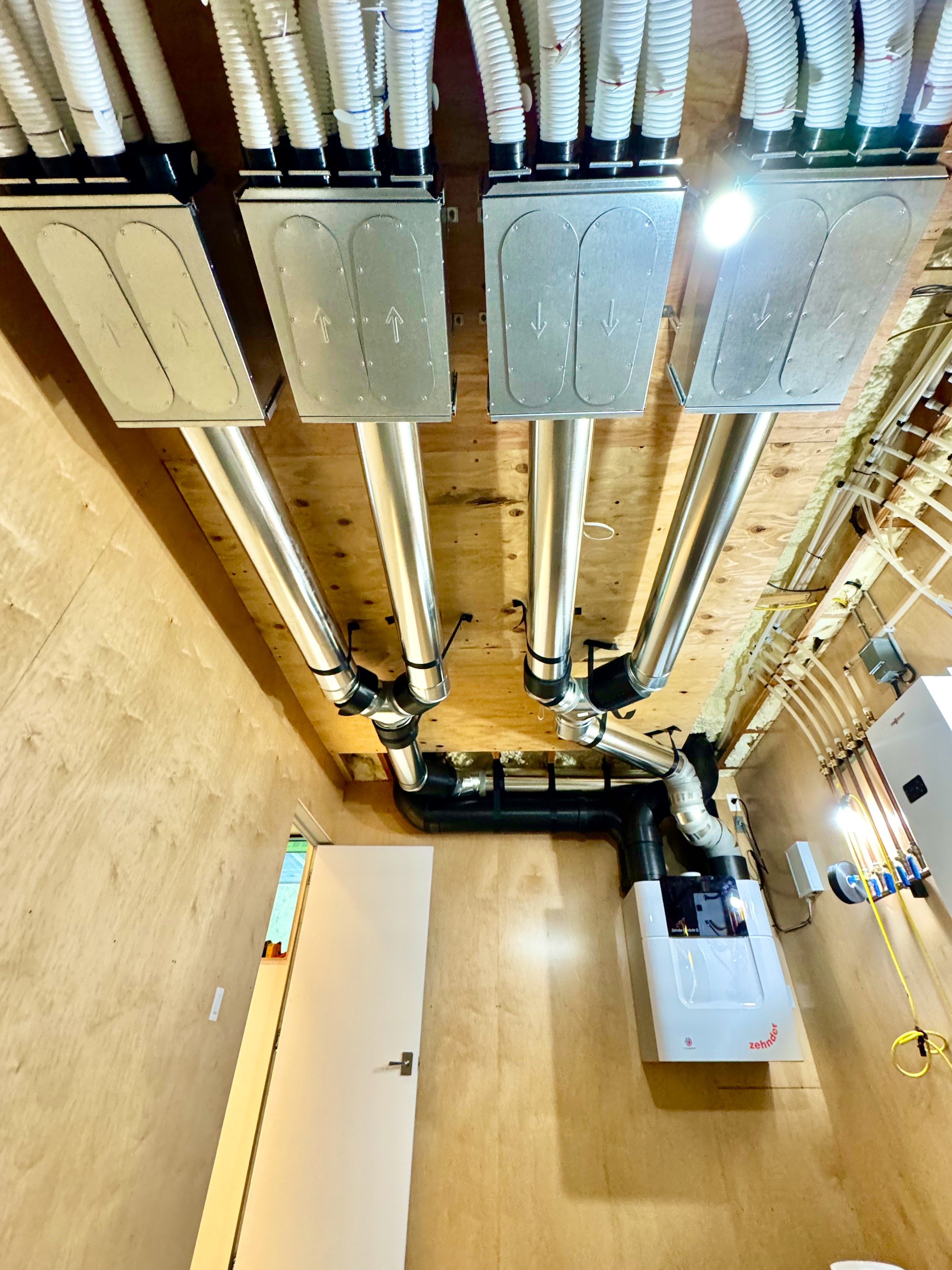
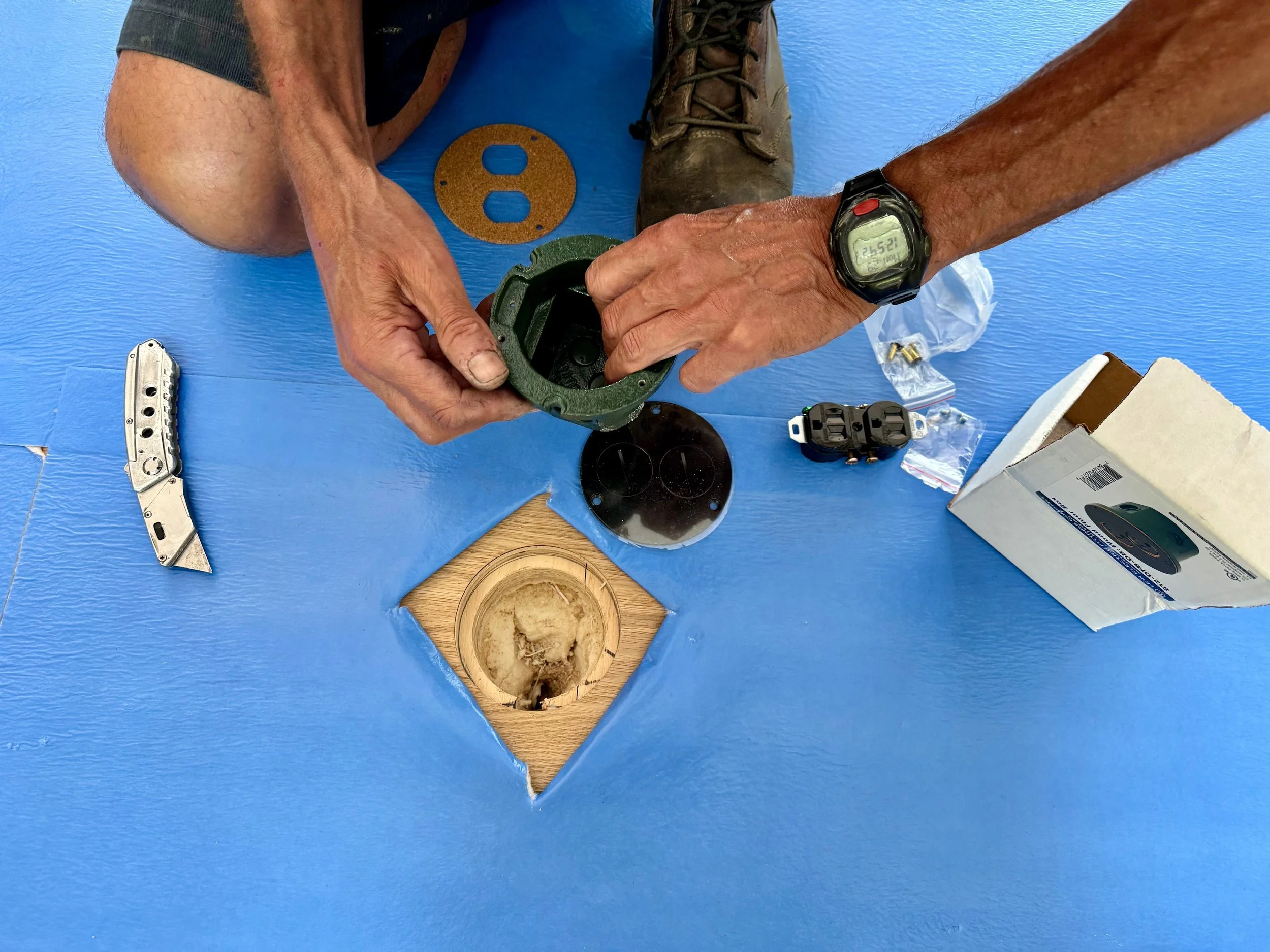
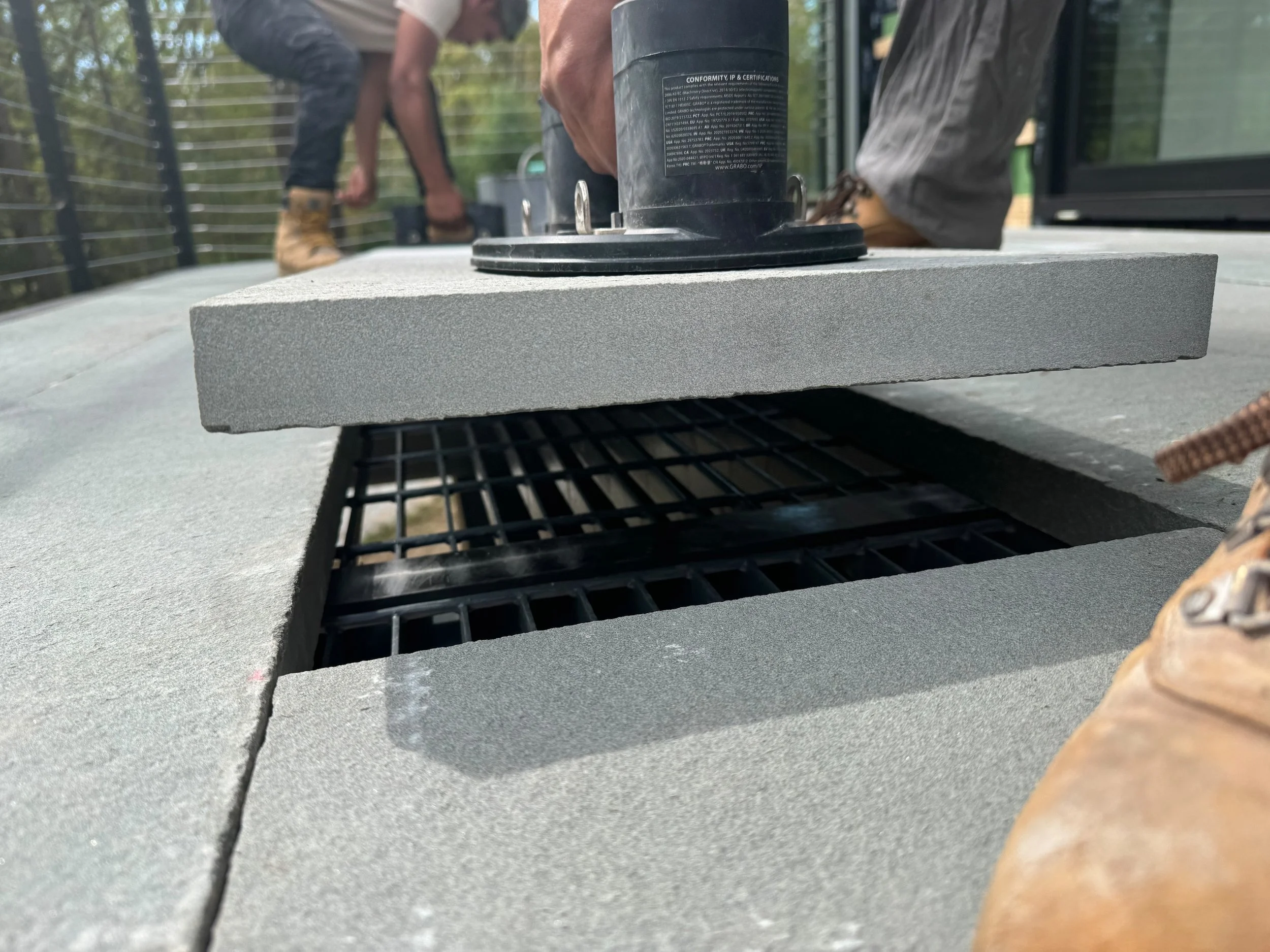
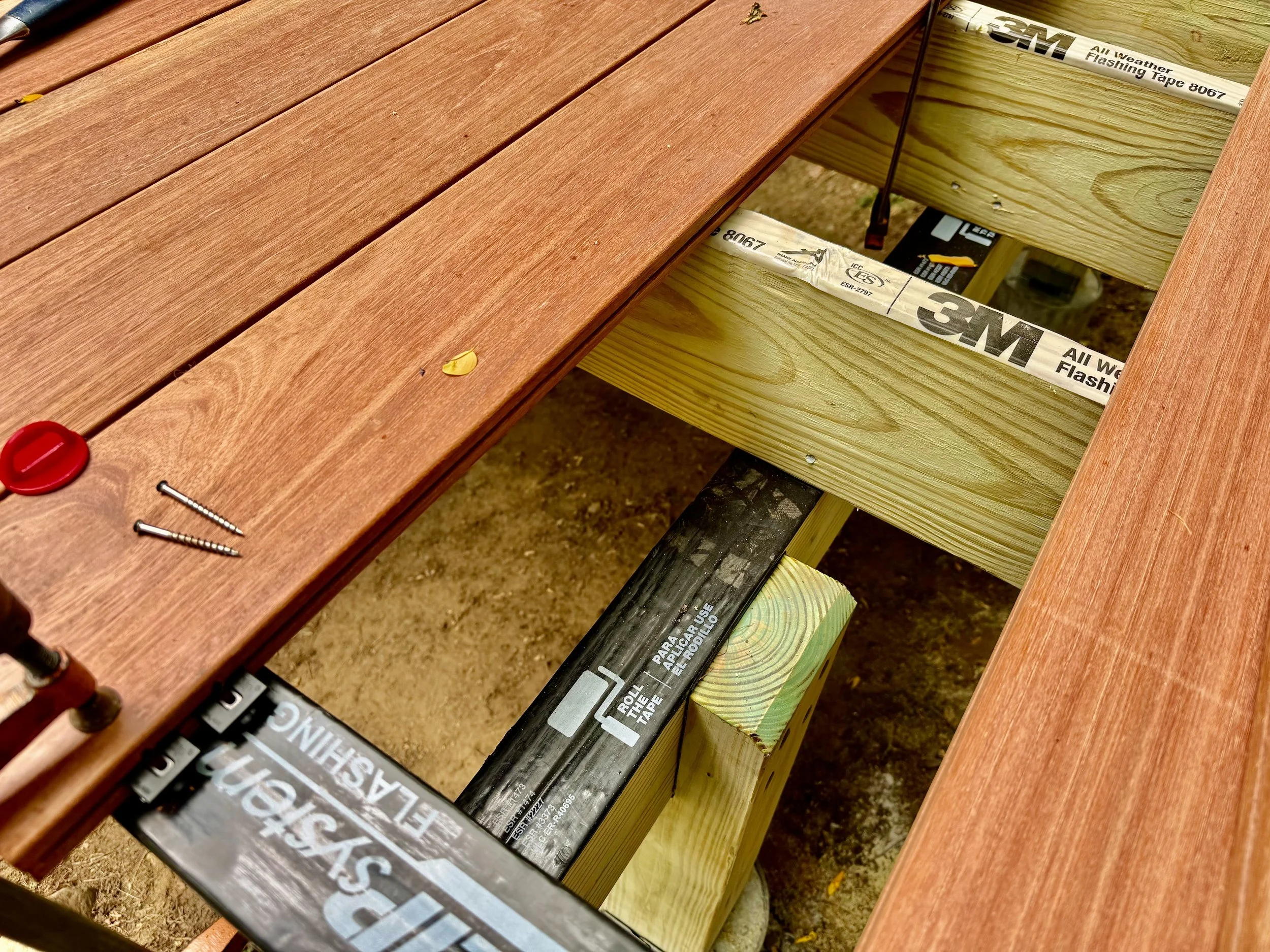
They include structural systems sized for longevity, exterior assemblies chosen for durability and repair, mechanical rooms designed for access and service, and site infrastructure that anticipates water and weather.
These choices are rarely meant to be noticed — only to work.
Most buildings are judged by what’s visible: form, finishes, and first impressions. Invisible Layers addresses what carries the work.
These are the systems and assemblies beneath the surface — often unnoticed, but decisive over time.
They determine how evenly a house heats and cools, how quietly it operates, how materials weather, and whether maintenance is simple or invasive.
A well-built house should not demand attention from what sits behind the walls. Structure, water management, insulation, and systems should fade into the background of daily life. When these decisions are made carefully, they do not resurface unexpectedly.
Shortcuts may save time in the moment. Over time, they tend to return.
Invisible Layers is not about choosing performance instead of beauty. It is about ensuring that what is beautiful is fully supported by what you cannot see.
When the hidden work is done well, the visible work holds its integrity.
The goal is not to make these layers visible.
It is to build them to endure.